90-Day Limited Powertrain Warranty Included!

Blog

All Auto Kings Bend Used Cars Bend Dealer Trucks
7 Tips For Getting The Best Value When Buying A Used Car

7 Tips For Getting The Best Value When Buying A Used Car

Buying a used car can be an exciting yet daunting experience. With so many options available, it's easy to feel overwhelmed. However, with the right approach, you can find a great deal that fits your budget and lifestyle. In this guide, we'll explore some essential tips for buying a used car to help you make a well-informed decision. more Set a Realistic Budget The first step in your journey is to establish a clear and realistic budget. Consider not just the purchase price, but also additional costs like insurance, registration, and potential repairs. Having a firm budget in place will narrow down your options and prevent you from overspending. Stick to what you can afford, and remember that the cheapest option isn’t always the best value. Do Your Research Knowledge is power, especially when buying a used car. Take the time to research different makes and models that fall within your budget. Look up reviews, reliability ratings, and common issues associated with the vehicles you're interested in. This research will give you a better understanding of what to expect and help you avoid cars with known problems. Inspect the Vehicle Thoroughly Never skip a thorough inspection. If you’re not confident in your ability to assess the car’s condition, consider hiring a professional mechanic to do it for you. Key areas to check include the engine, transmission, brakes, tires, and overall body condition. Look for signs of wear and tear, rust, and any evidence of past accidents. A detailed inspection can save you from costly repairs down the road. Review the Vehicle’s History Request the vehicle’s history report to check for any red flags, such as previous accidents, flood damage, or a salvage title. This report also reveals whether the car has been well-maintained or if there have been significant issues in the past. A clean history can add peace of mind to your purchase, while any discrepancies should be a cause for further investigation or negotiation. Take It for a Test Drive A test drive is an essential part of the buying process. It allows you to experience how the car handles and to listen for any unusual noises. Pay attention to how the car accelerates, brakes, and steers. Test the car on different types of roads and at various speeds to get a comprehensive feel for its performance. A smooth and responsive drive is a good indicator of the car’s overall condition. Negotiate the Price Once you’ve found a car that meets your criteria, it’s time to negotiate. Don’t be afraid to discuss the price with the seller. Use the information you’ve gathered from your research and inspection to justify your offer. Remember, the asking price is often not the final price, and a respectful negotiation can lead to significant savings. Consider Certified Pre-Owned Options If you’re looking for added peace of mind, consider purchasing a certified pre-owned (CPO) vehicle. These cars typically come with a manufacturer-backed warranty, have undergone a rigorous inspection process, and often include additional benefits like roadside assistance. While CPO vehicles may cost more upfront, they can offer better long-term value due to the extra protection they provide. Buying a used car doesn’t have to be a stressful experience. By setting a budget, doing your research, inspecting the vehicle, reviewing its history, taking it for a test drive, and negotiating the price, you can confidently find a car that offers great value. At Auto Kings, we make this process even easier with our wide selection of thoroughly inspected vehicles, detailed history reports, and transparent pricing. Let us help you find the perfect car that fits your needs and budget. Contact us today to start your search!


6 Major Advantages Of Buying A Used Car Instead Of A New One     

6 Major Advantages Of Buying A Used Car Instead Of A New One

While the appeal of a brand-new car can be tempting, opting for a used vehicle offers a range of benefits that are hard to ignore. From saving money to avoiding the steep depreciation that comes with new cars, the advantages of buying a used car often make it the more sensible choice. Whether you're looking to stretch your budget further or simply get more value for your investment, a pre-owned vehicle can provide a smart and practical solution. more Significant Cost Savings A major reason to opt for a used car is the considerable cost savings. New cars typically lose a large chunk of their value as soon as they leave the dealership. On the other hand, a used car has already experienced this initial depreciation, making it available at a much lower price. This allows you to buy a more luxurious model or a car with additional features within the same budget that would only get you a basic new vehicle. Lower Insurance Premiums Another major advantage of buying a used car is the potential for lower insurance premiums. Insurance costs are often based on the value of the car, meaning a used vehicle, which is typically worth less than a new one, will generally cost less to insure. This reduction in insurance costs can add up to significant savings over time, making the overall cost of ownership much more affordable. Slower Depreciation Rate Depreciation is an unavoidable reality of car ownership, but it hits new cars the hardest. A new car can lose up to 20% of its value within the first year alone. Used cars, however, depreciate at a much slower rate. This slower depreciation means that your used car retains more of its value over time, providing better resale or trade-in value when you decide to upgrade in the future. Greater Variety and Availability When shopping for a used car, you have access to a wider variety of models and years, giving you the flexibility to choose a car that truly fits your needs and lifestyle. Whether you’re looking for a model that’s no longer in production or a specific feature set that’s harder to find in new cars, the used car market offers a diverse selection that new car dealerships simply can’t match. Certified Pre-Owned Options for Peace of Mind Many buyers are concerned about the potential risks of purchasing a used car, but certified pre-owned (CPO) programs help ease these worries. CPO vehicles go through thorough inspections and include extended warranties, ensuring that your used car is in top-notch condition. These programs often offer benefits similar to those of buying new, such as roadside assistance and financing options, but with the added perk of a lower price. Environmental Benefits Choosing a used car can also be an environmentally friendly option. Manufacturing new cars requires significant resources and energy, contributing to environmental degradation. By purchasing a used car, you’re effectively recycling a vehicle, reducing the demand for new car production, and lowering your overall carbon footprint. The Smart Choice The advantages of buying a used car are clear: significant cost savings, lower insurance premiums, slower depreciation, a wide variety of choices, and the peace of mind that comes with certified pre-owned options. Additionally, opting for a used car can be an environmentally conscious decision. For those looking to make a smart financial choice without sacrificing quality or reliability, buying a used car is a wise and practical alternative to purchasing a new one. At Auto Kings, we understand the many benefits of choosing a used car, from significant cost savings and lower insurance premiums to a slower depreciation rate. Our extensive inventory offers a wide variety of models, including certified pre-owned vehicles that provide peace of mind with thorough inspections and extended warranties. By choosing us, you're making a smart financial decision without sacrificing quality or reliability. We're here to help you find the perfect used car that meets your needs. Contact us today to get started!

The Ultimate Guide To Car Starter Replacement

The Ultimate Guide To Car Starter Replacement

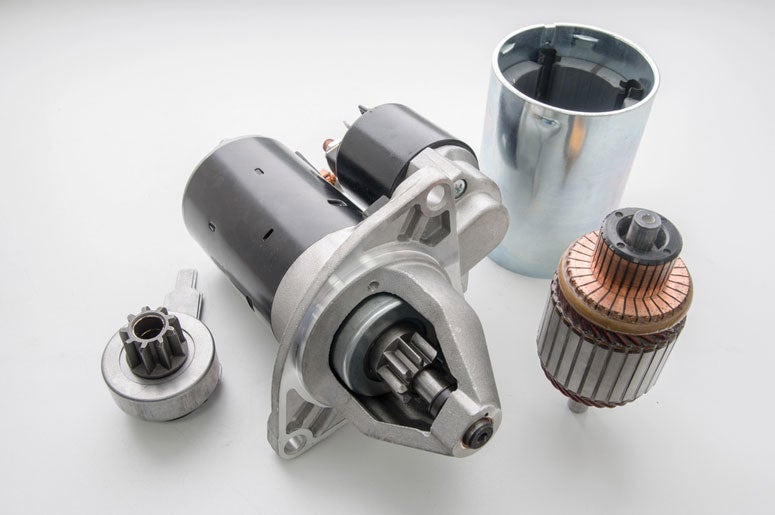
When your car fails to start, the culprit is often a faulty starter, a vital component in your vehicle's ignition system. The car starter replacement process is essential for keeping your vehicle running smoothly, especially for those who rely on their cars for daily transportation. This guide will help you understand the steps needed to replace a car starter, saving you time and money on mechanic fees. With patience and the right tools, you can successfully replace your car starter yourself. more Common Signs Indicating Your Car Starter Needs Replacement Recognizing the signs of a failing car starter can save you from unexpected breakdowns. One of the most common indicators is a clicking noise when you turn the ignition key, which suggests the starter is struggling to engage. If your car's engine doesn't crank despite having a fully charged battery, the starter might be to blame. Additionally, noticing unusual noises, such as grinding or whirring sounds, can also point to a worn-out starter that needs attention. Gather Necessary Tools and Parts for Car Starter Replacement Having the right tools and parts on hand is essential for a successful car starter replacement. Start by purchasing a compatible starter motor for your vehicle model. You will also need a set of wrenches, including socket and ratchet sets, to remove and install the starter. A jack and jack stands are necessary to safely lift your car, allowing you to access the starter's location. It's wise to have protective gloves and safety glasses to maintain safety during the process. Ensure Safety by Disconnecting the Battery Before Starting Safety is paramount when working on any car repair, and disconnecting the battery is a crucial step before starting the replacement process. Begin by locating the battery in your car and using a wrench to loosen and remove the negative battery cable. This step prevents accidental electrical shorts and protects you from potential injuries. Verify that the battery cables are secured away from any metal surfaces to prevent any accidental connections while working on the starter. Remove Old Starter and Inspect for Additional Issues Carefully removing the old starter is the next step in the replacement process. Locate the starter, usually positioned near the engine, and use the appropriate wrench to remove the mounting bolts. Once the old starter is detached, inspect it for additional issues, such as corrosion or worn-out parts, that might need attention. Examine the wiring connected to the starter, making sure there are no damaged wires that could affect the new starter's performance. Install a New Starter and Reconnect Electrical Components Properly Installing the new starter requires precision and attention to detail. Align the new starter with the mounting holes and securely tighten the bolts. Carefully reconnect the electrical components, confirming all connections are tight and secure. It's important to double-check that all wires are properly attached, as loose connections can lead to starter failure. Once everything is in place, reconnect the battery cables, starting with the positive cable, followed by the negative one. Quality Car Maintenance Services and Auto Repair Services at Auto Kings At Auto Kings, our commitment to quality car maintenance services ensures your vehicle stays in peak condition. We offer a wide range of auto repair services, from starter replacements to comprehensive maintenance solutions, all tailored to meet your needs. Our team of experts is dedicated to providing exceptional customer service, making your car-buying and maintenance experience seamless. Visit us at Auto Kings, where we combine expertise with a passion for cars, guaranteeing you receive the best care for your vehicle.

How To Successfully Replace Your Brake Pads

How To Successfully Replace Your Brake Pads

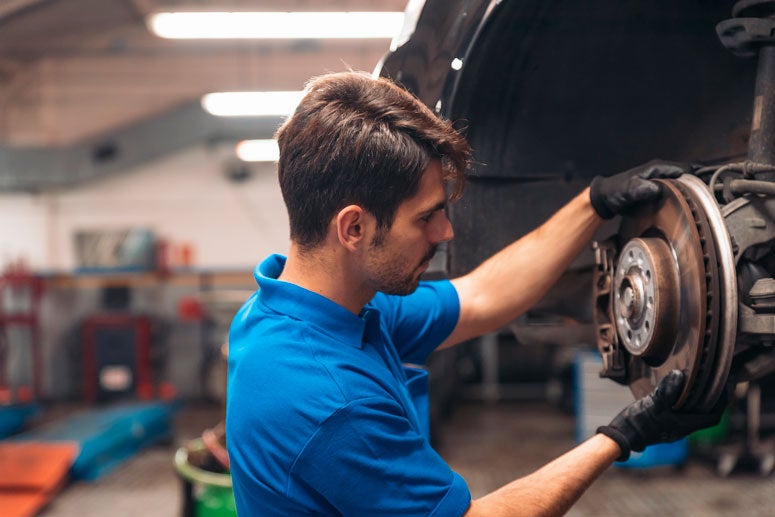
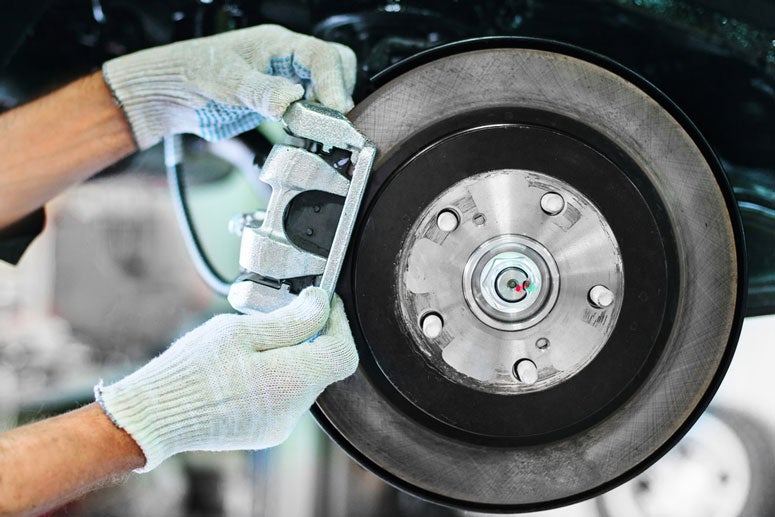
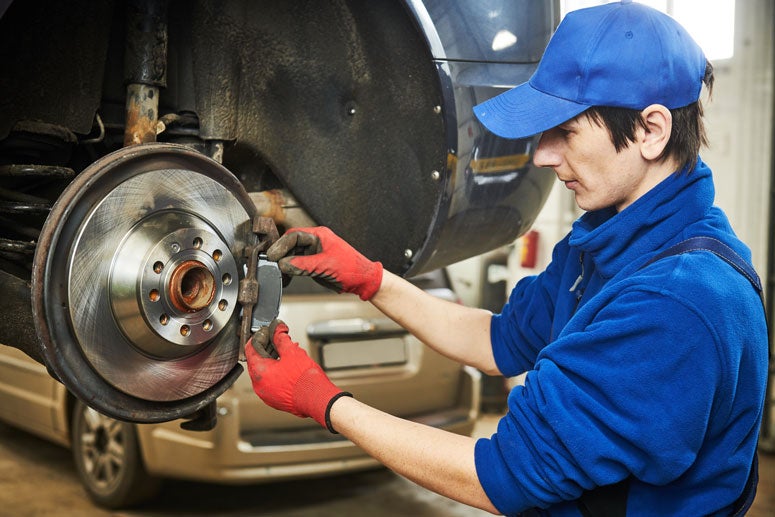
Having the ability to replace brake pads can save you time and money. It's an essential skill for anyone looking to maintain their vehicle's performance and safety. When you replace your brake pads, you ensure that your car's braking system is functioning optimally, providing the stopping power needed to avoid accidents. Many drivers might find this task intimidating, but with the right guidance and tools, replacing brake pads is manageable for anyone with a basic understanding of vehicle maintenance. more Gather Necessary Tools and Equipment for Brake Pad Replacement To successfully replace brake pads, gather all necessary tools and equipment before starting. Essential tools include a lug wrench, a jack, a jack stand, a C-clamp, and a socket set. Ensure you have the correct type of replacement brake pads for your specific vehicle model. Having all these tools and parts ready will streamline the process, allowing you to complete the task efficiently without unnecessary interruptions. This preparation is crucial for a smooth and effective brake pad replacement process. Ensure Safety by Properly Lifting and Securing Your Vehicle Safety is paramount when working on your vehicle, especially when replacing brake pads. Begin by parking your car on a level surface and setting the parking brake. Use a sturdy jack to lift the vehicle and place jack stands under the frame to secure it. Double-check the stability of the car before proceeding. This careful approach ensures your safety while working on the brake pads, preventing accidents or injuries caused by a sudden shift in the vehicle's position. Remove Wheels to Access the Brake Caliper and Rotor After securing your vehicle, proceed to remove the wheels to access the brake caliper and rotor. Use a lug wrench to loosen the lug nuts, then take off the wheel. With the wheel removed, you’ll have clear access to the brake caliper and rotor. This step is essential for replacing brake pads, allowing you to work directly on the braking components. Ensuring proper wheel removal will facilitate a smooth and efficient brake pad replacement process. Detach Old Brake Pads and Inspect the Caliper for Damage With the wheel removed, it's time to detach the old brake pads. Start by removing the caliper bolts with a socket set, then carefully lift the caliper away from the rotor. Slide out the old brake pads and examine the caliper for any signs of damage or excessive wear. Inspecting the caliper ensures that all components are in good condition before installing new brake pads. This step helps maintain the overall effectiveness and longevity of your vehicle's braking system. Install New Brake Pads and Reassemble Brake Components Now that the old brake pads are removed, you can install the new ones. Position the new brake pads in the caliper bracket, ensuring they are secured snugly. Use a C-clamp to compress the caliper piston, allowing it to fit over the new pads. Once the new pads are in place, reattach the caliper by tightening the bolts securely. Reassemble the brake components carefully to ensure everything functions properly. This step is crucial for restoring your vehicle’s braking performance. Enjoy Reliable Car Maintenance Services and Auto Repair Services at Auto Kings At Auto Kings, we pride ourselves on providing reliable car maintenance services. If you're looking to maintain your vehicle's performance, our team is dedicated to helping you with all your automotive needs. Our comprehensive auto repair services ensure that any issues are addressed quickly and efficiently. Visit Auto Kings for your automotive needs, and let us assist you with our quality services.

How Often Do You Need A Brake Inspection?

How Often Do You Need A Brake Inspection?

Regular brake inspection is important for ensuring the safety and performance of your vehicle. Many drivers often overlook the importance of getting their brakes checked regularly, leading to potentially dangerous situations on the road. While a routine brake inspection might seem unnecessary if your car is functioning well, it is vital to prevent unexpected brake failures. more Recommended Frequency for Routine Brake Inspections by Professionals Professional brake inspections should be conducted at regular intervals to ensure optimal vehicle performance. Experts typically recommend having your brakes inspected every 10,000 to 15,000 miles or once a year, whichever comes first. This schedule allows for early detection of any wear and tear that might not be visible during regular driving. Regular inspections can also help identify potential issues that could worsen over time, saving you from costly repairs and enhancing overall vehicle safety. Signs Indicating Immediate Need for Brake Inspection and Maintenance Certain signs indicate an immediate need for brake inspection and maintenance. If you notice unusual noises like squealing or grinding when braking, it could mean that the brake pads are worn out and need replacement. A vibrating brake pedal or a feeling that the vehicle pulls to one side while braking is also a red flag. These symptoms may indicate more serious issues, such as warped rotors or a malfunctioning brake system, necessitating prompt professional attention to maintain safety and reliability. Impact of Driving Habits on Brake Inspection Frequency Driving habits significantly impact how often your brakes need inspection. Aggressive driving, such as frequent hard braking or high-speed driving, causes brake components to wear out more quickly. Similarly, driving in heavy traffic or hilly terrain puts additional strain on the braking system. For drivers with such habits, more frequent brake inspections are advisable. Regular checks can catch early wear and tear, allowing timely maintenance to prevent sudden brake failures and maintaining the vehicle operating safely under all conditions. Importance of Regular Inspections for Vehicle Safety and Performance Regular brake inspections are essential for maintaining vehicle safety and performance. They help ensure that all components of the braking system are functioning correctly, reducing the risk of accidents due to brake failure. Inspections can identify worn-out parts before they become a major problem, thus preventing more extensive damage to the braking system. This proactive approach not only safeguards the driver and passengers but also enhances the vehicle's overall performance, providing peace of mind during every journey. Enhance Your Ride with Auto Kings Car Maintenance Services Make sure your vehicle stays in top shape with Car Maintenance Services from Auto Kings. Our skilled technicians provide thorough brake inspections and routine maintenance to keep your vehicle running smoothly. With our expert Auto Repair Services, we address any mechanical issues promptly and professionally, ensuring your car remains reliable and safe on the road. At Auto Kings, we are committed to delivering exceptional service and satisfaction, making us your go-to destination for all your automotive needs.

Brake Lights Stay On: Troubleshooting And Fixing The Issue

Brake Lights Stay On: Troubleshooting And Fixing The Issue

When your brake lights stay on, it can be a frustrating problem that not only drains your car's battery but also poses a potential safety risk to other drivers. This issue can leave you perplexed, especially if you're unsure of what steps to take to resolve it. Here’s a detailed guide to help you identify the causes and solutions, ensuring your vehicle remains in top-notch condition and free from any brake light malfunctions. more Identify Common Causes of Brake Lights Remaining On Brake lights staying on can be caused by several issues, including a malfunctioning brake light switch, misalignment of components, or faulty wiring. Sometimes, the problem may arise from a simple oversight, such as a stuck brake pedal that fails to return to its proper position. Additionally, worn-out components like brake light bulbs or blown fuses can contribute to the issue. Identifying the common causes can help you determine the best course of action to fix the problem effectively. Inspect the Brake Light Switch for Malfunction or Misalignment The brake light switch is a crucial component responsible for activating your brake lights when you press the pedal. Over time, the switch can malfunction or become misaligned, causing the brake lights to stay on continuously. Carefully inspect the switch for any visible signs of wear, damage, or misalignment. If necessary, adjust the switch to make sure it is properly aligned with the brake pedal. A quick inspection and adjustment can often resolve this issue and restore your brake lights to proper functionality. Examine Brake Pedal and Associated Components for Issues A thorough examination of the brake pedal and its associated components is essential to determine if there is a problem causing the brake lights to remain on. Sometimes, debris or dirt can obstruct the pedal's movement, preventing it from returning to its normal position. In other cases, worn-out components like springs or bushings may need replacement. Securing that the brake pedal and its components are in good condition will help prevent any further issues with the brake lights. Check for Faulty or Damaged Wiring and Electrical Connections Faulty or damaged wiring and electrical connections can lead to persistent brake light issues. Over time, wires may become frayed or damaged due to wear and tear, leading to electrical malfunctions. Inspect the wiring connected to the brake light system for any visible damage or loose connections. Replacing damaged wires and securing any loose connections will help restore the proper functioning of the brake lights. A meticulous check of the wiring can resolve electrical issues that may be causing the lights to stay on. Replace Brake Light Bulbs and Fuse if Necessary In some cases, the brake lights may remain on due to burnt-out bulbs or blown fuses. Over time, bulbs can wear out, leading to erratic lighting behavior. Similarly, a blown fuse can disrupt the electrical circuit, causing the lights to stay on. Inspect the bulbs for any signs of damage or burnout and replace them if necessary. Also, check the fuse box and replace any blown fuses with new ones. Replacing faulty components will ensure your brake lights function correctly and improve your vehicle’s safety. Discover Auto Kings' Car Maintenance Services and Auto Repair Services When your brake lights stay on, don't let it hinder your driving experience or safety on the road. At Auto Kings, we provide comprehensive car maintenance services to ensure your vehicle remains in perfect condition. Our team of experts specializes in identifying and resolving brake light issues quickly and efficiently. We also offer top-notch auto repair services to address any other concerns your car may have. Visit us today to experience unparalleled care and attention for your car.

5 Symptoms Of A Clogged Air Filter To Watch Out For

5 Symptoms Of A Clogged Air Filter To Watch Out For

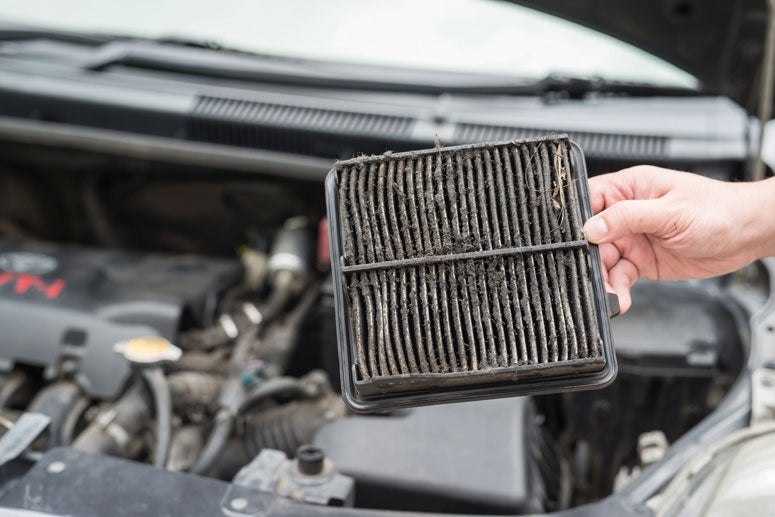
A clogged air filter can lead to a variety of issues in your vehicle, compromising its performance and efficiency. When an air filter becomes blocked, it restricts airflow to the engine, affecting combustion and overall operation. This restriction can result in decreased engine power, increased fuel consumption, and even more severe engine problems if not addressed promptly. Recognizing the signs of a clogged air filter is crucial to maintaining your vehicle's health and ensuring it runs smoothly and efficiently. more Reduced Engine Performance and Acceleration Due to Air Restriction A clogged air filte r can significantly reduce engine performance, leading to sluggish acceleration and a lack of power. When the air filter is obstructed, the engine struggles to receive the necessary oxygen for combustion. This insufficiency results in inefficient fuel burning, causing the engine to work harder to deliver the desired speed and acceleration. If you notice your vehicle hesitating when accelerating or lacking the power it once had, it might be time to check your air filter for any blockages. Decreased Fuel Efficiency from Strained Engine Function When your engine works harder due to a clogged air filter, it can lead to decreased fuel efficiency. The engine compensates for the lack of airflow by consuming more fuel, leading to increased trips to the gas station. This inefficiency can add up over time, resulting in higher fuel costs and a more significant environmental impact. Regularly inspecting and replacing your air filter can help maintain optimal fuel efficiency and save you money in the long run by guaranteeing your engine runs smoothly. Unusual Engine Noises Indicating Potential Airflow Issues A clogged air filter can cause unusual engine noises, indicating potential airflow issues. When the engine struggles to breathe, you might hear popping or coughing sounds, especially during acceleration. These noises are signs that the engine is not receiving enough air, leading to incomplete combustion and a rough running condition. If you hear any unusual sounds coming from your engine, it is essential to check your air filter and address any blockages that might be causing these issues. Check Engine Light Activation Signaling Possible Air Filter Problems The activation of the check engine light is often a signal that something is wrong, and a clogged air filter could be the culprit. When the engine control unit detects irregularities in the air-to-fuel ratio, it triggers the check engine light to alert the driver. This warning should not be ignored, as it could lead to more severe engine problems if left unresolved. A quick inspection of the air filter can determine if a replacement is needed to restore your vehicle's optimal performance. Noticeable Black Smoke Emission from Vehicle Exhaust System Black smoke emission from the exhaust system is a telltale sign of a clogged air filter and poor combustion. When the engine does not receive enough air, the fuel may not burn completely, resulting in the emission of black smoke. This smoke is not only harmful to the environment but also indicates that the engine is not running efficiently. Regular maintenance of your air filter can prevent this issue, guaranteeing that your vehicle remains environmentally friendly and operates at its best. Keep Your Car Running Smoothly with Auto Kings At Auto Kings, we offer comprehensive car maintenance services to address issues like a clogged airfilter. Our expert technicians are dedicated to providing top-notch auto repair services, ensuring your vehicle performs at its best. We pride ourselves on delivering exceptional customer service and making your car maintenance experience seamless.

How To Know When To Replace Your Brake Pads

How To Know When To Replace Your Brake Pads

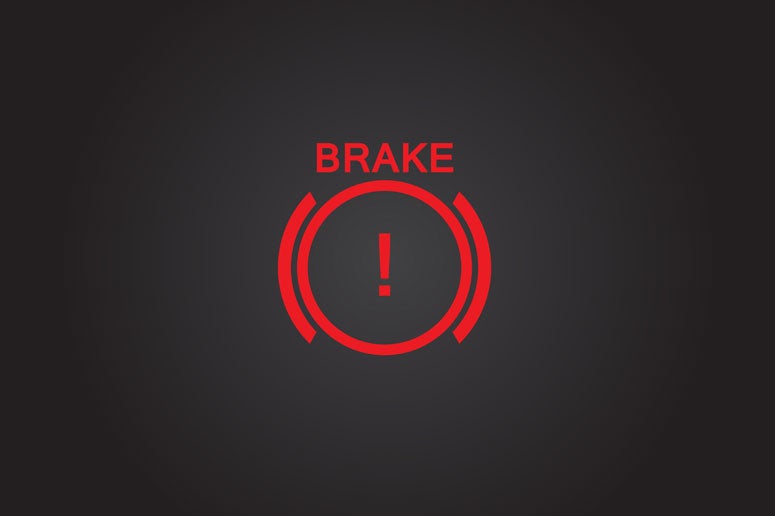
Knowing when to replace brake pads is crucial for maintaining your vehicle's safety and performance. Brake pads are essential components that wear down over time, and recognizing the signs that they need replacement can prevent accidents and costly repairs. This article will guide you through the key indicators that it’s time to replace your brake pads. more Why Brake Pads Are Important Brake pads play a vital role in your vehicle’s braking system. They create the friction needed to slow down and stop your car by pressing against the brake rotors. Over time, this friction causes the brake pads to wear out, reducing their effectiveness. Squeaking or Squealing Noises One of the most common signs that you need to replace your brake pads is hearing a squeaking or squealing noise when you apply the brakes. This sound is often caused by a small metal shim, called an indicator, which gives you an audible warning that your brake pads are getting thin. If you hear this noise regularly, it’s time to check your brake pads. Continuing to drive with worn-out pads can damage other brake components and lead to more expensive repairs. Grinding Sound A grinding noise when braking is a more severe warning sign. This typically means that your brake pads are completely worn out, and the metal of the caliper is grinding against the metal of the rotor. At this stage, you’ll likely need to replace both the brake pads and rotors. It’s important to address this immediately to avoid further damage to the braking system. Indicator Light Many modern vehicles have a built-in warning system that alerts you when your brake pads need replacing. If your brake warning light comes on, it could be due to low brake fluid or worn brake pads. Check your vehicle’s manual to understand what the warning light indicates. If it’s related to the brake pads, have them inspected and replaced as necessary. Reduced Braking Performance If you notice that your car takes longer to stop or the brakes feel less responsive, it could be a sign that your brake pads are worn out. Reduced braking performance can compromise your safety. Have your brake pads inspected and replaced if needed to restore optimal braking efficiency. Vibration When Braking A vibrating or pulsating brake pedal can indicate warped rotors, which often result from prolonged use of worn brake pads. To replace the brake pads, you might need to have the rotors resurfaced or replaced to eliminate the vibration and restore smooth braking. Thin Brake Pads You can visually inspect your brake pads to check their thickness. If the pad material is less than a quarter inch thick, it’s time for a replacement. Regularly check the thickness of your brake pads through the wheel spokes. Replacing thin pads can prevent damage to the rotors and maintain effective braking. Pulling to One Side If your car pulls to one side when braking, it could indicate uneven wear on the brake pads or a problem with the brake caliper. Have your brakes inspected to determine the cause. Replacing unevenly worn brake pads and addressing any caliper issues can correct this problem. When to replace brake pads can keep your vehicle performing optimally and prevent unexpected issues. Our team of expert mechanics is ready to assist you with thorough inspections and top-quality brake services. Schedule a brake check with us today and drive with confidence, knowing your brakes are in top condition.

How To Check Essential Car Fluids: A Step-By-Step Guide

How To Check Essential Car Fluids: A Step-By-Step Guide

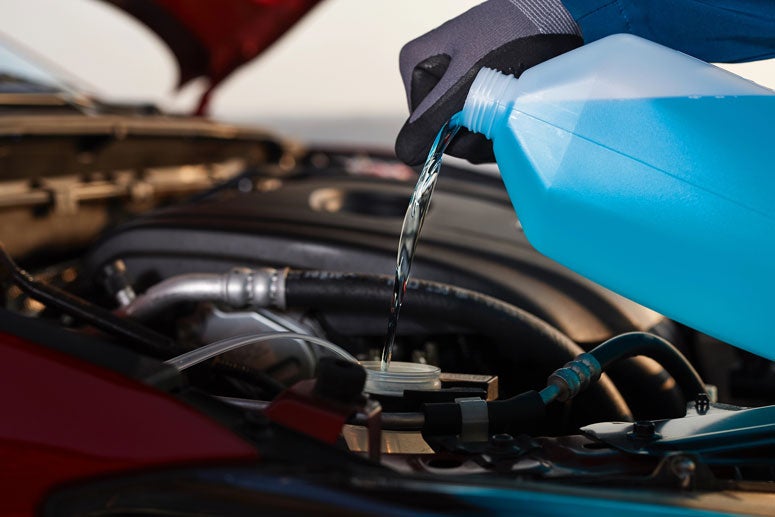
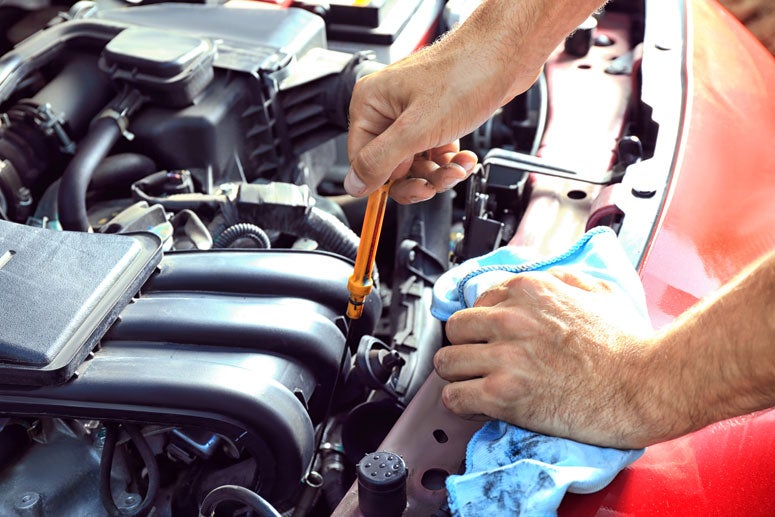
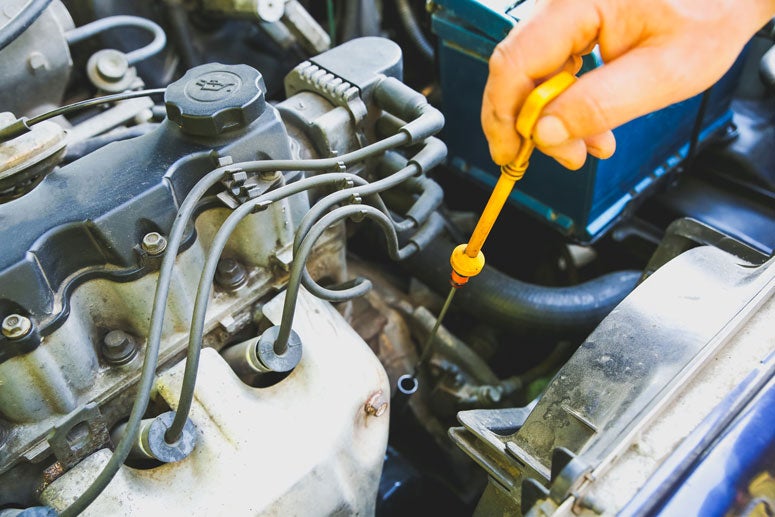
Regularly checking your car fluids is a simple yet vital task that can keep your vehicle running smoothly and safely. Knowing how to check car fluids can help you spot potential issues early and maintain your car’s performance. We will walk you through the process, making it easy and manageable. more Why Checking Car Fluids Is Important Car fluids are the lifeblood of your vehicle. They lubricate, cool, and help your car function correctly. Regularly checking these fluids can prevent breakdowns and costly repairs, keeping you safe on the road. Engine Oil Engine oil lubricates the engine's moving parts, reducing friction and preventing overheating. Park on a Level Surface: Make sure your car is on level ground and the engine is cool. Locate the Dipstick: Open the hood and find the dipstick, typically marked with a bright handle. Remove and Wipe: Pull the dipstick out and wipe it clean with a rag. Reinsert and Check: Insert the dipstick fully back into its tube, then pull it out again to check the oil level. The oil should be between the “Min” and “Max” marks. Check Oil Condition: The oil should be brown or black but not gritty. If it looks milky or has metal particles, it could indicate engine problems. Transmission Fluid Transmission fluid lubricates and cools the transmission, promoting smooth gear shifts. Warm Up the Car: Drive for a few minutes to warm up the transmission. Locate the Dipstick: With the car in park, find the transmission dipstick, usually near the back of the engine. Check Level and Condition: Follow the same steps as with engine oil. The fluid should be a clear red or pink. Dark or burnt-smelling fluid may indicate it needs changing. Coolant Coolant keeps your engine from overheating by regulating its temperature. Wait for the Engine to Cool: Never open the radiator cap when the engine is hot. Locate the Coolant Reservoir: Find the translucent plastic tank near the radiator. Check the Level: The coolant should be between the “Min” and “Max” lines. If it’s low, add a 50/50 mix of coolant and water. Brake Fluid Brake fluid transfers the force from your brake pedal to the brakes, allowing you to stop your car. Find the Brake Fluid Reservoir: It’s usually located near the back of the engine bay on the driver’s side. Check the Level: The fluid should be between the “Min” and “Max” lines. If it’s low, top it up with the recommended type of brake fluid. If the fluid looks dark, it might need to be replaced. Power Steering Fluid Power steering fluid helps you steer your car smoothly. Locate the Reservoir: Usually found on the passenger side of the engine bay. Check the Level: Look at the markings on the side of the reservoir or use the dipstick attached to the cap. The fluid should be within the recommended range. Windshield Washer Fluid This fluid helps keep your windshield clean for better visibility. Find the Reservoir: Typically located near the front of the engine bay and marked with a windshield/water symbol. Check and Fill: If it’s low, simply add more washer fluid until it reaches the top. Tips for Keeping Your Car Fluids in Check Regular Inspections: Make a habit of checking your car fluids at least once a month. Use the Right Fluids: Always use the type of fluid specified in your car’s manual. Look for Leaks: If you notice any fluid under your car, have it checked by a professional. Keep Spare Fluids: It's a good idea to keep spare fluids in your car for emergencies. Learning how to check car fluids can keep your vehicle running smoothly and help you avoid unexpected issues. Our team is here to support you with expert advice and quality service. If you ever have questions or need assistance, don't hesitate to reach out to us. Together, we can keep your car in great shape and enjoy many more miles of safe driving.

Car Tune-Up Checklist: 10 Essential Components To Check

Car Tune-Up Checklist: 10 Essential Components To Check

Regular maintenance is key to keeping your car running smoothly and efficiently. A comprehensive car tune-up checklist can help you stay on top of essential maintenance tasks, allowing your vehicle to perform at its best. By following this guide, you'll know exactly what to check and why it's important. more Why Regular Tune-Ups Matter Tune-ups are an essential part of car maintenance. They involve checking and replacing key components that affect your car's performance. Regular tune-ups can prevent major issues, improve fuel efficiency, and extend the life of your vehicle. Spark Plugs and Wires Spark plugs ignite the fuel in your engine, and faulty ones can cause misfires, rough idling, and poor fuel economy. Inspect spark plugs for wear or buildup. Check the spark plug wires for cracks or damage. Replace any worn-out plugs or damaged wires. Air Filter The air filter keeps dirt and debris from entering the engine. A clogged air filter can reduce airflow, affecting engine performance and fuel efficiency. Remove the air filter and inspect it for dirt and debris. Replace the air filter if it appears dirty or clogged. Fuel Filter The fuel filter removes impurities from the fuel before it reaches the engine. A clogged fuel filter can cause poor acceleration and engine performance. Check the fuel filter for clogs or damage. Replace the fuel filter if it’s dirty or hasn’t been changed in a while. Oil and Oil Filter Regular oil changes are critical for engine health. Oil lubricates moving parts, reducing friction and wear. Check the oil level and quality. Replace the oil and oil filter according to your car’s maintenance schedule. Battery and Cables The battery powers your car’s electrical systems. Corroded or loose cables can cause starting issues and other electrical problems. Inspect the battery terminals for corrosion. Make sure battery cables are tight and free from damage. Clean any corrosion and replace damaged cables. Belts and Hoses Belts and hoses are essential for your car’s cooling, air conditioning, and charging systems. Worn or damaged belts and hoses can lead to overheating and system failures. Inspect belts for cracks, fraying, or wear. Check hoses for leaks, cracks, or soft spots. Replace any damaged or worn belts and hoses. Fluids Fluids are vital for your car’s operation, from engine oil to brake fluid. Check the levels and quality of all fluids: engine oil, transmission fluid, coolant, brake fluid, power steering fluid, and windshield washer fluid. Top off or replace fluids as needed. Tires and Alignment Tires are your car’s only contact with the road. Proper alignment promotes even tire wear and safe handling. Inspect tires for wear, damage, and proper inflation. Check the tread depth. Have the alignment checked if you notice uneven tire wear or if the car pulls to one side. Brakes Brakes are crucial for your safety. Worn brake pads or low brake fluid can compromise braking performance. Inspect brake pads for wear. Check the brake fluid level and quality. Replace worn brake pads and top off or replace brake fluid as needed. Lights and Signals Properly functioning lights and signals are essential for safe driving, especially at night and in poor weather conditions. Check all exterior and interior lights for functionality. Replace any burned-out bulbs. Verify that all signals are working correctly. Following a car tune-up checklist can help you catch potential problems early and maintain your vehicle's performance. Our team is here to help with expert advice and top-notch service. Schedule your tune-up with us today and drive with confidence, knowing your car is well taken care of.

Brake Fluid Leak: How To Identify And Fix The Problems

Brake Fluid Leak: How To Identify And Fix The Problems

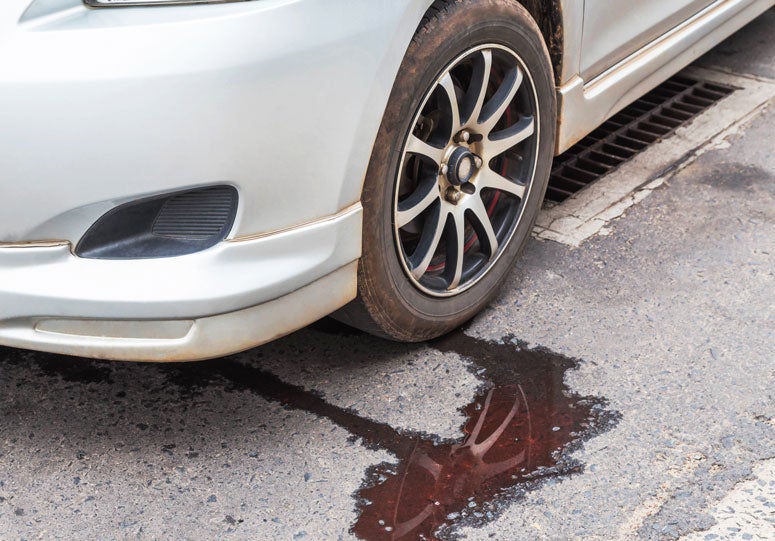
A brake fluid leak is a serious issue that can compromise your vehicle's braking system and safety. Knowing how to identify and fix a brake fluid leak can help you avoid potential accidents and costly repairs. In this article, we’ll walk you through the signs of a brake fluid leak and how to address the problem. more Why Brake Fluid Is Important Brake fluid is essential for the proper functioning of your vehicle's braking system. It transmits the force from your brake pedal to the brake pads, allowing your car to stop. A leak in the brake fluid system can lead to decreased braking efficiency or even complete brake failure. Identifying a Brake Fluid Leak Low Brake Fluid Level: Regularly check the brake fluid reservoir under your car’s hood. If the fluid level is consistently low, it might indicate a leak. Warning Light: If the brake warning light on your dashboard illuminates, it could be a sign of low brake fluid due to a leak. Soft Brake Pedal: A brake pedal that feels soft or spongy when pressed can be a sign of air in the brake lines, often caused by a fluid leak. Visible Leaks: Look for clear or slightly yellowish fluid pooling under your car. Brake fluid is usually slick and slippery to the touch. Poor Braking Performance: If your car takes longer to stop or the brakes feel less responsive, you might be dealing with a brake fluid leak. Common Causes of Brake Fluid Leaks Worn Brake Lines: Brake lines can wear out over time, developing cracks or holes that allow fluid to escape.Damaged Brake Hoses: Faulty Brake Calipers: Brake calipers can develop leaks where they connect to the brake lines or from the piston seals inside the caliper. Master Cylinder Issues: The master cylinder is responsible for distributing brake fluid to the brakes. If it’s damaged, you might notice leaks near the firewall or inside the car under the dashboard. How to Fix a Brake Fluid Leak Before attempting any repairs, carefully inspect the entire braking system to locate the source of the leak. Brake Lines: If you find a crack or hole in a brake line, it needs to be replaced. This usually involves removing the damaged section and installing a new line. Brake Hoses: Replace any worn or damaged brake hoses. This is typically a straightforward process but requires careful attention to detail. Brake Calipers: If a caliper is leaking, it may need new seals or a complete replacement. Master Cylinder: If the master cylinder is leaking, it often needs to be replaced. This can be a more complex repair and might require professional assistance. Bleed the Brakes After repairing the leak, you’ll need to bleed the brakes to remove any air that might have entered the system. This process involves using a brake bleeder kit and following the manufacturer’s instructions. Refill and Test Once repairs are complete, refill the brake fluid reservoir with the appropriate type of brake fluid. Test the brakes to confirm they are working correctly before driving. Preventive Measures Regular Maintenance: Routine inspections and maintenance can help catch potential issues before they become major problems. Regularly check the brake fluid level and inspect the brake lines and hoses for signs of wear. Use Quality Parts: When replacing any components in the braking system, use high-quality parts to reduce the risk of future leaks. Drive Carefully: Avoid aggressive driving and sudden stops, which can put extra stress on the braking system and lead to premature wear. Identifying and fixing a brake fluid leak promptly can prevent serious issues and keep your vehicle performing at its best. Our expert team is always here to help with any brake-related concerns you might have. Schedule a check-up with us today and drive with confidence, knowing your brakes are in top condition.

8-warning-signs-you-may-need-a-vehicle-tune-up-img

8 Warning Signs You May Need A Vehicle Tune-Up

Regular vehicle maintenance is key to keeping your car running smoothly and efficiently. Knowing the warning signs you need a tune-up can save you from unexpected breakdowns and costly repairs. Here, we’ll outline the telltale signs that it’s time to give your car some extra attention. more Why Tune-Ups Are Important A tune-up is a preventive measure that helps maintain your car’s engine and other essential components. It involves checking and replacing parts like spark plugs, filters, and fluids. Regular tune-ups can improve your car's performance, fuel efficiency, and longevity. Poor Fuel Efficiency If you notice that your car is using more fuel than usual, it might be a sign you need a tune-up. Poor fuel efficiency can result from clogged air filters, dirty spark plugs, or other issues that a tune-up can address. During a tune-up, mechanics can replace air filters, spark plugs, and other components to help your car run more efficiently. Engine Misfires or Stalling An engine that misfires, stalls, or has trouble starting can be a clear indication that a tune-up is needed. These issues often stem from worn-out spark plugs or ignition problems. A tune-up will typically include checking and replacing spark plugs and examining the ignition system to resolve these issues. Unusual Noises Hearing strange noises from your engine, such as knocking, pinging, or rattling, is not normal. These sounds could indicate a variety of problems that a tune-up might fix. Mechanics can identify and fix issues like loose parts, worn-out components, or other underlying problems during a tune-up. Rough Idling Experiencing rough idling, shaking, or vibrating when your car is stopped indicates that something isn't right. These issues could stem from problems with the fuel system, spark plugs, or the engine's overall health. A tune-up can address these problems by cleaning or replacing components and adjusting the engine to improve performance. Check Engine Light Is On The check engine light can illuminate for a variety of reasons, many of which can be resolved with a tune-up. Ignoring this light can lead to more serious issues over time. A tune-up often involves diagnosing the cause of the check engine light and fixing any related problems, ensuring your car is in good working order. Reduced Power and Performance If your car feels sluggish, has reduced power, or doesn’t accelerate as it used to, it might be time for a tune-up. These symptoms can indicate problems with the fuel system, air intake, or ignition system. A comprehensive tune-up can restore your car’s power and performance by addressing issues with these systems. Strong Odors Unusual smells, such as fuel, oil, or burning, are often signs you need a tune-up. These odors can indicate leaks or other problems that need immediate attention. Mechanics can locate and repair leaks, replace faulty components, and eliminate these odors during a tune-up. Excessive Exhaust Smoke Noticing excessive smoke coming from your exhaust is a clear indication of trouble. Different colors of smoke can signify various issues, from oil leaks to burning coolant. A tune-up can help diagnose and fix the cause of excessive exhaust smoke, helping your car run cleanly and efficiently. Recognizing the signs you need a tune-up can prevent potential issues and keep your vehicle running smoothly. Our team of expert mechanics is here to provide you with thorough and reliable tune-up services. Don't wait for a minor issue to become a major problem—schedule your tune-up with us today and enjoy peace of mind on the road.

Contact Us

Fill out this form below and we'll contact you shortly
*Required Fields