



90-Day Limited Powertrain Warranty Included!
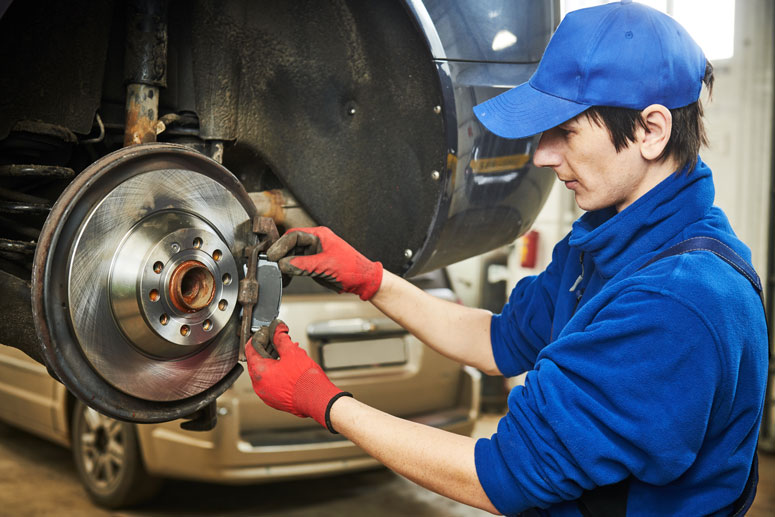
Knowing when to replace brake pads is crucial for maintaining your vehicle’s safety and performance. Brake pads are essential components that wear down over time, and recognizing the signs that they need replacement can prevent accidents and costly repairs. This article will guide you through the key indicators that it’s time to replace your brake pads.
Why Brake Pads Are Important
Brake pads play a vital role in your vehicle’s braking system. They create the friction needed to slow down and stop your car by pressing against the brake rotors. Over time, this friction causes the brake pads to wear out, reducing their effectiveness.
Squeaking or Squealing Noises
One of the most common signs that you need to replace your brake pads is hearing a squeaking or squealing noise when you apply the brakes. This sound is often caused by a small metal shim, called an indicator, which gives you an audible warning that your brake pads are getting thin.
If you hear this noise regularly, it’s time to check your brake pads. Continuing to drive with worn-out pads can damage other brake components and lead to more expensive repairs.
Grinding Sound
A grinding noise when braking is a more severe warning sign. This typically means that your brake pads are completely worn out, and the metal of the caliper is grinding against the metal of the rotor.
At this stage, you’ll likely need to replace both the brake pads and rotors. It’s important to address this immediately to avoid further damage to the braking system.
Indicator Light
Many modern vehicles have a built-in warning system that alerts you when your brake pads need replacing. If your brake warning light comes on, it could be due to low brake fluid or worn brake pads.
Check your vehicle’s manual to understand what the warning light indicates. If it’s related to the brake pads, have them inspected and replaced as necessary.
Reduced Braking Performance
If you notice that your car takes longer to stop or the brakes feel less responsive, it could be a sign that your brake pads are worn out.
Reduced braking performance can compromise your safety. Have your brake pads inspected and replaced if needed to restore optimal braking efficiency.
Vibration When Braking
A vibrating or pulsating brake pedal can indicate warped rotors, which often result from prolonged use of worn brake pads.
To replace the brake pads, you might need to have the rotors resurfaced or replaced to eliminate the vibration and restore smooth braking.
Thin Brake Pads
You can visually inspect your brake pads to check their thickness. If the pad material is less than a quarter inch thick, it’s time for a replacement.
Regularly check the thickness of your brake pads through the wheel spokes. Replacing thin pads can prevent damage to the rotors and maintain effective braking.
Pulling to One Side
If your car pulls to one side when braking, it could indicate uneven wear on the brake pads or a problem with the brake caliper.
Have your brakes inspected to determine the cause. Replacing unevenly worn brake pads and addressing any caliper issues can correct this problem.
When to replace brake pads can keep your vehicle performing optimally and prevent unexpected issues. Our team of expert mechanics is ready to assist you with thorough inspections and top-quality brake services. Schedule a brake check with us today and drive with confidence, knowing your brakes are in top condition.


