



90-Day Limited Powertrain Warranty Included!
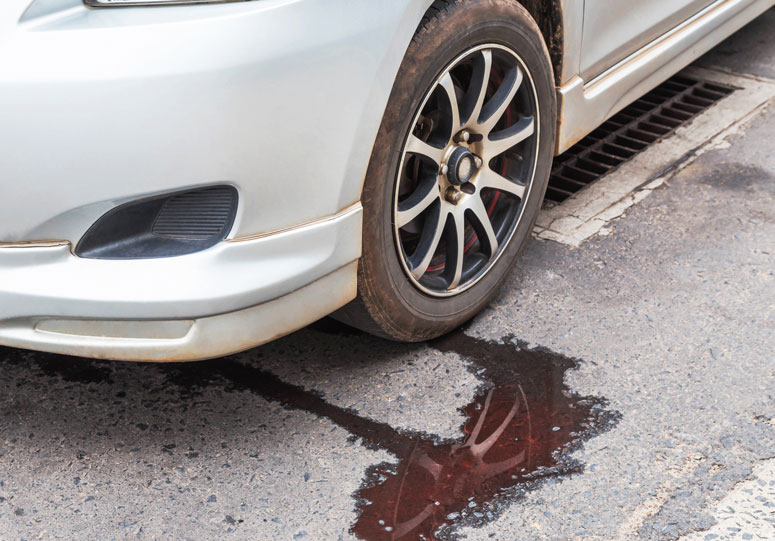
A brake fluid leak is a serious issue that can compromise your vehicle’s braking system and safety. Knowing how to identify and fix a brake fluid leak can help you avoid potential accidents and costly repairs. In this article, we’ll walk you through the signs of a brake fluid leak and how to address the problem.
Why Brake Fluid Is Important
Brake fluid is essential for the proper functioning of your vehicle’s braking system. It transmits the force from your brake pedal to the brake pads, allowing your car to stop. A leak in the brake fluid system can lead to decreased braking efficiency or even complete brake failure.
Identifying a Brake Fluid Leak
- Low Brake Fluid Level: Regularly check the brake fluid reservoir under your car’s hood. If the fluid level is consistently low, it might indicate a leak.
- Warning Light: If the brake warning light on your dashboard illuminates, it could be a sign of low brake fluid due to a leak.
- Soft Brake Pedal: A brake pedal that feels soft or spongy when pressed can be a sign of air in the brake lines, often caused by a fluid leak.
- Visible Leaks: Look for clear or slightly yellowish fluid pooling under your car. Brake fluid is usually slick and slippery to the touch.
- Poor Braking Performance: If your car takes longer to stop or the brakes feel less responsive, you might be dealing with a brake fluid leak.
Common Causes of Brake Fluid Leaks
- Worn Brake Lines: Brake lines can wear out over time, developing cracks or holes that allow fluid to escape.Damaged Brake Hoses:
- Faulty Brake Calipers: Brake calipers can develop leaks where they connect to the brake lines or from the piston seals inside the caliper.
- Master Cylinder Issues: The master cylinder is responsible for distributing brake fluid to the brakes. If it’s damaged, you might notice leaks near the firewall or inside the car under the dashboard.
How to Fix a Brake Fluid Leak
Before attempting any repairs, carefully inspect the entire braking system to locate the source of the leak.
- Brake Lines: If you find a crack or hole in a brake line, it needs to be replaced. This usually involves removing the damaged section and installing a new line.
- Brake Hoses: Replace any worn or damaged brake hoses. This is typically a straightforward process but requires careful attention to detail.
- Brake Calipers: If a caliper is leaking, it may need new seals or a complete replacement.
- Master Cylinder: If the master cylinder is leaking, it often needs to be replaced. This can be a more complex repair and might require professional assistance.
Bleed the Brakes
After repairing the leak, you’ll need to bleed the brakes to remove any air that might have entered the system. This process involves using a brake bleeder kit and following the manufacturer’s instructions.
Refill and Test
Once repairs are complete, refill the brake fluid reservoir with the appropriate type of brake fluid. Test the brakes to confirm they are working correctly before driving.
Preventive Measures
- Regular Maintenance: Routine inspections and maintenance can help catch potential issues before they become major problems. Regularly check the brake fluid level and inspect the brake lines and hoses for signs of wear.
- Use Quality Parts: When replacing any components in the braking system, use high-quality parts to reduce the risk of future leaks.
- Drive Carefully: Avoid aggressive driving and sudden stops, which can put extra stress on the braking system and lead to premature wear.
Identifying and fixing a brake fluid leak promptly can prevent serious issues and keep your vehicle performing at its best. Our expert team is always here to help with any brake-related concerns you might have. Schedule a check-up with us today and drive with confidence, knowing your brakes are in top condition.


