90-Day Limited Powertrain Warranty Included!

Blog / Auto Kings

Why Are Electric Cars Better For The Environment?

Why Are Electric Cars Better For The Environment

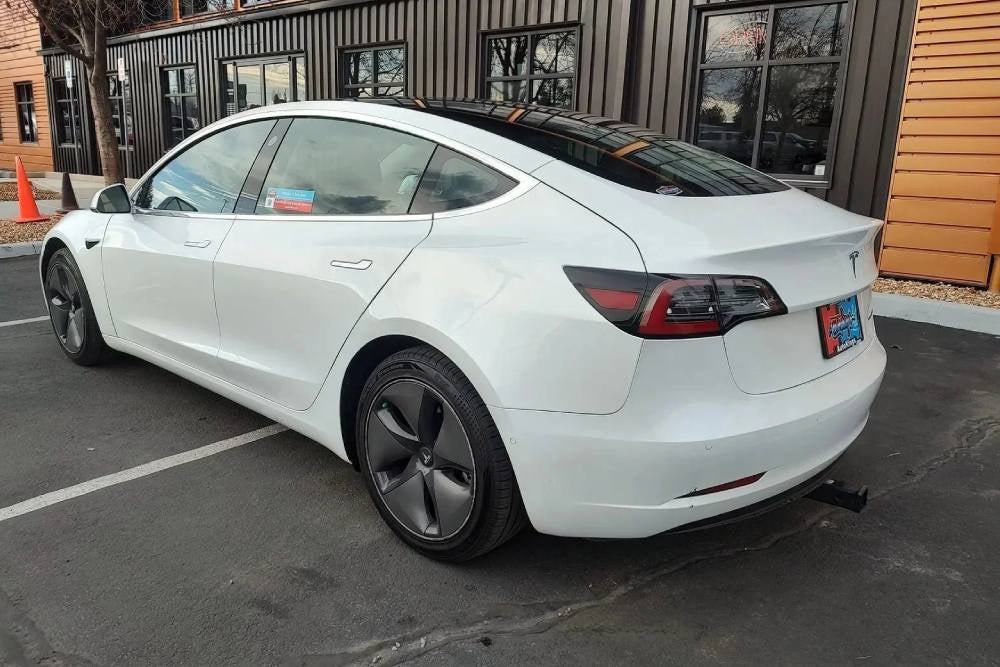
Choosing a vehicle today often involves considering environmental impact alongside performance and cost. Have you wondered whether electric cars are better for the environment, or if the difference is smaller than it seems? Electric vehicles bring a different approach to how energy is used on the road. Instead of burning fuel, they rely on electricity to power daily driving. This shift changes how emissions, efficiency, and overall impact are measured across the lifespan of a vehicle.

Cleaner Air Starts With Zero Tailpipe Emissions

Air quality improves when fewer pollutants enter the atmosphere during daily driving. Electric vehicles produce no tailpipe emissions, which means carbon dioxide and harmful gases are not released as you drive. Gas-powered cars send these pollutants directly into the air, especially in busy traffic areas. Removing that source helps reduce smog and supports healthier surroundings. Cities with higher electric-vehicle adoption often see measurable improvements in local air quality over time.

Lower Carbon Impact Over the Life of the Vehicle

Production methods for electric vehicles can create more emissions at the start, mainly due to battery manufacturing. That early impact changes once the vehicle is on the road. Electric vehicles produce fewer emissions during use, which helps balance and then reduce their total footprint. Over time, this difference becomes more noticeable as miles add up. Drivers who keep their vehicles longer often see a stronger environmental advantage compared to traditional gas-powered models.

Energy Efficiency Makes a Noticeable Difference

Energy use plays a major role in environmental impact, and electric vehicles use energy more efficiently than gas-powered cars. Traditional engines lose a large portion of fuel energy as heat before it ever reaches the wheels. Electric systems convert a higher percentage of stored energy into motion. This means less wasted energy during everyday driving. Improved efficiency leads to lower overall energy demand, which supports reduced emissions across the broader energy system.

Environmental Benefits Continue to Grow Over Time

Electric vehicles continue to improve as energy sources change. Power grids are adding more renewable energy, such as solar and wind, which lowers the emissions linked to charging. As that shift continues, electric vehicles become cleaner without needing changes to the car itself. Drivers benefit from this progress simply through regular use. This connection between cleaner energy and vehicle performance helps position electric vehicles as a forward-looking option for reducing environmental impact.

Driving Toward a Cleaner Future With the Right Choice

Understanding how electric vehicles affect the environment can help you make a more informed decision when choosing your next car. Cleaner air, reduced emissions, and improved efficiency all contribute to a smaller overall impact. These benefits continue to grow as technology and energy sources improve, which makes electric vehicles an appealing option for drivers who want to reduce their footprint.

At Auto Kings, we are here to help you explore vehicle options that match your needs and priorities. Whether you are considering an electric model or a fuel-efficient alternative, our team can guide you through the process with clear information and a wide selection.

Visit us today and let us help you find the right vehicle for your next drive.

Posted in:

Related Posts

2014 Harley Ultra Limited

From High Desert Pines to Crashing Waves: Conquering the Oregon Coast on a 2014 Harley-Davidson Ultra Limited

Living in Central Oregon, we’re spoiled by towering ponderosa pines, jagged volcanic peaks, and endless bluebird skies. But every so often, the open road calls for something different: the crisp bite of salt spray, rolling Pacific fog, and the rhythmic thunder of surf breaking against rugged sea stacks. Few rides in North America rival the journey from the high desert over the Cascade Range and down to iconic U.S. Highway 101. We recently loaded up a vivid black 2014 Harley-Davidson Electra Glide Ultra Limited and pointed the front wheel west, tracking the Pacific coastline all the way to the windswept heights of Cape Perpetua. If you’ve ever wondered why grand American touring bikes exist, this ride answers the question within the first five miles. The Machine: 2014 Harley-Davidson Ultra Limited (Project RUSHMORE) Tackling a multi-hundred-mile cross-state haul through steep mountain passes, coastal dampness, and winding coastal two-lanes requires a motorcycle engineered for serious endurance. The 2014 model year marked the launch of Harley’s Project RUSHMORE —a major overhaul that refined grand touring comfort and road manners. Twin-Cooled High Output Twin Cam 103: Powering this 2014 Ultra Limited is the Twin-Cooled Twin Cam 103 V-Twin. With liquid-cooled cylinder heads tucked discreetly inside the lower fairings, it maintains peak power and rider comfort even in slow coastal traffic and climbing summer grades. Pumping out over 105 lb-ft of low-end torque, you can roll on the throttle in sixth gear and let that signature American rumble pull you up coastal headlands without endless downshifting. Splitstream Fairing Aerodynamics: The wind-tunnel-designed Batwing fairing features the center Splitstream vent, equalizing air pressure to virtually eliminate helmet buffeting across windy coastal headlands. Touring Comfort & Hidden Brembo Hardware: Between the plush seating, one-touch saddlebag latches, and spacious Tour-Pak trunk, long days in the saddle are effortless. When damp ocean pavement demands sudden stopping power, the factory Reflex Linked Brembo ABS brakes (stamped with the Bar & Shield script on the outside, but engineered by Brembo) distribute braking force evenly between wheels for rock-solid stability. Cape Perpetua: Centuries of Maritime and Coastal History Rising steep above the churning Pacific south of Yachats, the massive headland of Cape Perpetua carries deep layers of Pacific Northwest history dating back thousands of years. Ancient Indigenous Lands: For over 6,000 years before European arrival, the area was home to the Alsea people. Shell middens along the surrounding coves still tell the story of generations harvesting mussels, clams, and marine life along these rocky shelves. Named by Captain Cook (1778): On March 7, 1778, British explorer Captain James Cook sighted this prominent headland during his third voyage across the globe aboard the HMS Resolution. Because he spotted the bluff on St. Perpetua’s Day, he named it Cape Perpetua —one of the earliest documented English geographic place names in the entire state of Oregon. Great Depression Stonework (1930s): During the Great Depression, the Civilian Conservation Corps (CCC) established Camp Perpetua at the base of the mountain. CCC crews hand-built the winding trails, access roads, and the stone lookout shelter perched near the crest—constructed with the same rugged rustic masonry style seen at Central Oregon's own Dee Wright Observatory. World War II Coastal Radar Post: Following the attack on Pearl Harbor, the U.S. military recognized the strategic elevation of Cape Perpetua. Soldiers transformed the stone CCC shelter into a coastal aircraft-warning station and temporary radar installation, watching the horizon day and night to guard the Pacific coastline from enemy submarines and naval vessels. Geological Spectacles Below: Looking straight down from the heights, Highway 101 hugs the edge of the Cape Perpetua Marine Reserve, home to violent geological features forged by volcanic basalt—including Thor’s Well, Devil’s Churn, and the Spouting Horn, where high-tide ocean swells shoot spray into the air like natural geysers. The Transition: High Desert Heat to Marine Layer One of the greatest joys of riding or driving out of Bend and Redmond is experiencing Oregon's diverse biomes in a single day. You can start your morning under dry high-desert sunshine, carve through the cedar-scented switchbacks of the Cascade passes, roll across the lush Willamette Valley, and finish your day listening to the surf crash as the Pacific marine layer cools your engine. It’s the kind of route that resets your perspective and reminds you why we live in this corner of the country. Your Adventure Starts at Auto Kings Whether your idea of the ultimate road trip involves the open-air pulse of a heavyweight touring motorcycle, the precision handling of a supercharged sports coupe, or the go-anywhere confidence of a family-hauling 4x4, the Pacific Northwest was built to be explored. At Auto Kings, we don't just sell vehicles—we live for the drives they make possible. Stop by our Bend or Redmond locations today to check out our hand-picked inventory, swap road-trip stories, and find the machine ready for your next Pacific Northwest journey.

Key West

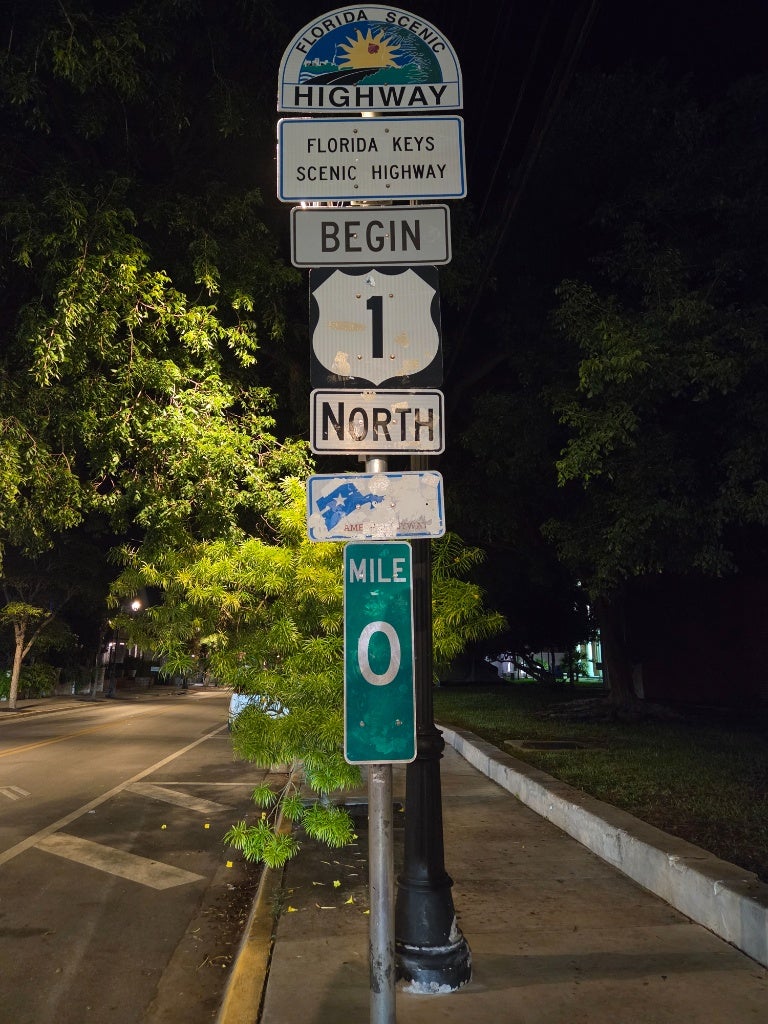
From the High Desert to Mile Marker 0: Why the Minivan Is the Undisputed King of the Cross-Country Road Trip

When car enthusiasts envision the ultimate cross-country road trip machine, minds usually drift toward sleek convertibles, thunderous V8 grand tourers, or lifted overland rigs. But when you’re loading up the entire family to cross multiple state lines, tackle thousands of highway miles, and drive until the pavement literally runs out in the ocean, one vehicle class quietly takes the crown: the minivan. We were recently blessed to take on an iconic American pilgrimage—driving all the way down through the Florida Keys to stand beneath the legendary Mile Marker 0 sign in Key West. Our chariot for the long-haul journey? A Chrysler Pacifica. Standing at the official southern terminus of U.S. Route 1 after crossing dozens of bridges suspended over turquoise water, one thing became crystal clear: when it comes to keeping a family comfortable, organized, and sane across thousands of miles, nothing beats a purpose-built family hauler. Here is why the humble minivan remains the ultimate long-distance road-trip platform. 1. Dual Power Sliding Doors: A Road-Trip Superpower Ask any parent who has navigated a packed interstate rest stop or a tight parking stall in historic downtown Key West—traditional swinging doors simply cannot compete. Zero Parking Lot Stress: Power sliding doors eliminate door-ding anxiety completely. Your kids can hop in and out freely without clipping adjacent vehicles, no matter how tight the space. One-Touch Loading: When your hands are full of luggage, beach towels, and road trip snacks, a tap of the key fob or a wave of your foot opens wide entryways without wrestling handles. 2. Genuine Three-Row Comfort & Unmatched Cargo Packaging While large SUVs look rugged on the outside, their interior packaging often forces compromises. Minivans, on the other hand, are engineered around maximum interior volume and ease of use. Real Legroom in Every Row: Unlike the cramped third rows found in many midsize crossovers, minivans provide full-size seating where adults and teenagers can actually stretch out for hours. Deep Cargo Wells & Hidden Storage: Deep rear trunk wells and fold-flat floor systems (like Chrysler’s Stow 'n Go) mean coolers, suitcases, strollers, and souvenirs can be stowed low and out of sight, keeping your rear view clear and cabin uncluttered. 3. Effortless Highway Cruising & Fuel Efficiency Covering thousands of miles across state lines means highway efficiency directly impacts both your travel time and your fuel budget. Sleek Aerodynamics: Sitting lower to the ground than heavy body-on-frame SUVs, minivans glide through the air far more efficiently, returning impressive highway MPG. Fewer Fuel Interruptions: Efficient cruising translates to extended highway range, allowing you to bypass congested exits and keep momentum on open interstate stretches. 4. Built-in Road Trip Tech & Practical Comforts Keeping everyone calm, entertained, and recharged across thousands of miles is essential for a peaceful journey. Abundant Power & Connectivity: Dedicated USB and power ports in every row keep tablets, phones, and gaming devices charged around the clock. Thoughtful Cabin Design: From integrated sunshades to endless cupholders and smart storage cubbies, everything has a designated home—preventing the inevitable "road-trip chaos" from taking over your driving environment. The Destination Is Great, but the Journey Matters Most Standing beside the Mile Marker 0 sign in Key West—the start of a highway that runs 2,369 miles all the way to Fort Kent, Maine—serves as a great reminder of why we drive. A successful family road trip isn't about bragging rights or horsepower; it’s about the memories made looking out the windows, the easy laughter across the rows, and arriving safely with smiles on everyone’s faces. Whether you're gearing up for a cross-country family expedition, looking for a dependable daily commuter, or hunting for a weekend adventure rig, visit us at Auto Kings in Central Oregon. We’re here to help you find the right vehicle to get your family out making memories on the open road.

Porsche Central Oregon

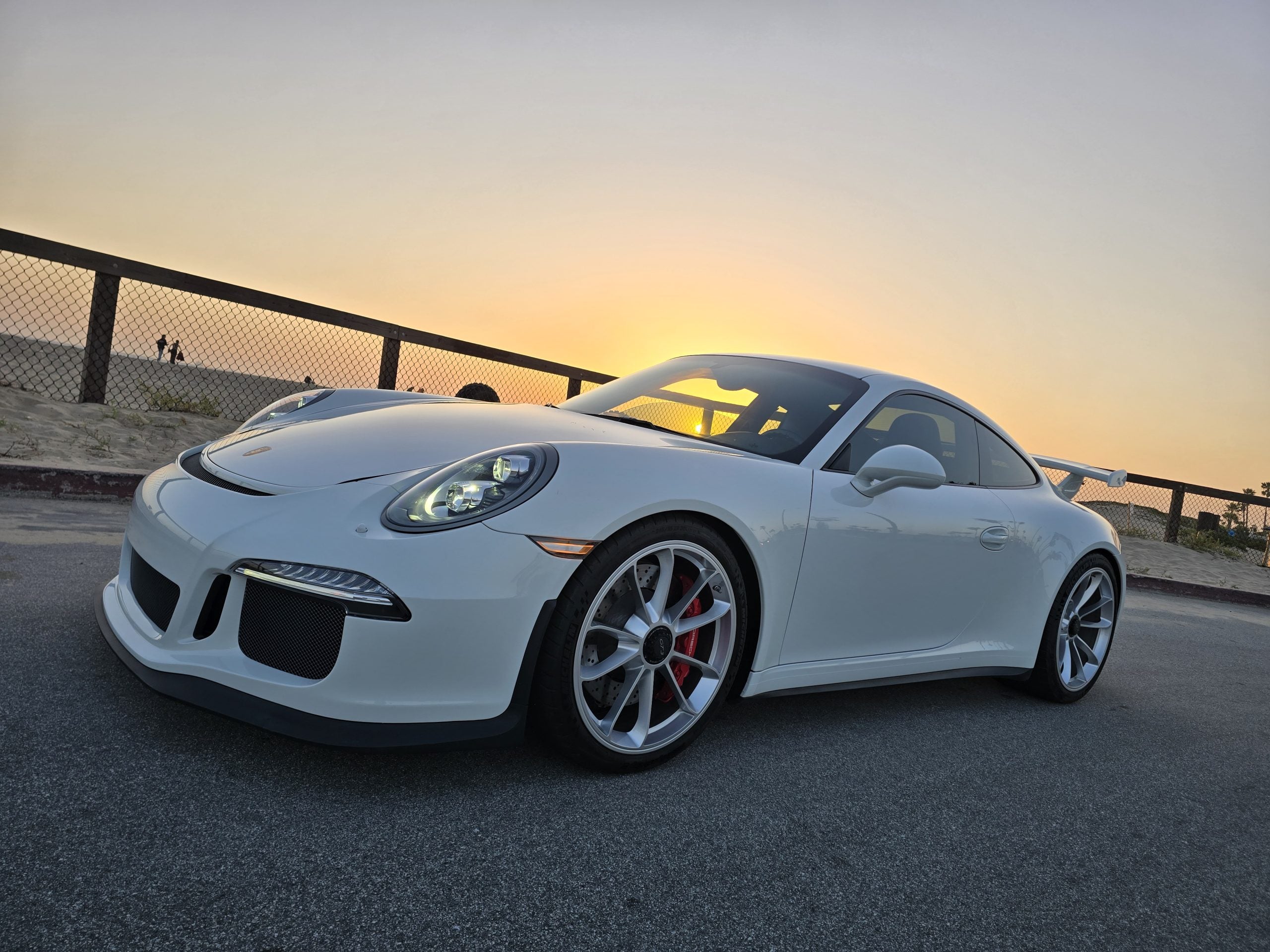
The Ultimate Pacific Northwest Cross-State Blast: Taking a Blue-Chip 911 GT3 from the High Desert to the Coast 🌅🏁

There is a distinct moment on a long-distance drive where the landscape completely shifts, and you realize you’ve just experienced one of the greatest automotive routes the country has to offer. That is exactly the feeling of pulling up to a coastal sunset after a cross-state run—watching the fading sun hit the immaculate lines of a Porsche 911 GT3 with the salt air rolling off the ocean. While the backdrop of the sea feels miles away from our high desert home, there is no better way to test the mettle of a pure, track-bred machine than by mapping out a journey from the pavement of Bend straight to the rugged Oregon Coast. The Route: High Desert to Pacific Surf A true driver’s road trip across Oregon is a masterclass in geographic diversity, and the 911 GT3 is the ultimate instrument to carve it up. Imagine firing up that legendary powerplant at our Bend lot, pointing the nose west, and watching the sagebrush give way to the towering pine forests of the Cascade foothills. As you climb out of Central Oregon over the high-altitude sweepers of the mountain passes, the GT3 is entirely in its element. Dropping down the western slopes, the road transitions into the lush, canopy-covered curves of Highway 126, tracing the river valleys through the heart of the Pacific Northwest. By the time you cut through the valley floor and hit the coastal asphalt of Highway 101 near Florence or Newport, you’ve experienced every type of tarmac imaginable. The final reward? Hugging the dramatic ocean cliffs, hearing the engine note echo off the rock faces, and pulling over just as the sun touches the horizon to take in a view like the one captured here. Why this Generation is a "Blue Chip" Asset In the automotive world, the phrase "blue chip" isn't thrown around lightly. It’s reserved for special vehicles that stand the test of time—machines that represent a pinnacle of engineering, command historical respect, and hold an iron-clad position as highly coveted collector pieces. This generation of the 911 GT3 is exactly that. As the automotive landscape rapidly shifts toward turbocharging, hybridization, and heavy digital driver aids, this GT3 remains a glorious holdout of pure, analog motorsport heritage. The Crown Jewel Engine: At its core is a naturally aspirated 4.0-liter flat-six engine that screams all the way to a staggering 9,000 RPM redline. The power delivery is linear, instant, and accompanied by a raw, mechanical wail that modern turbocharged cars simply cannot replicate. Motorsport DNA: This isn't a standard 911 with a wing bolted to the back. The GT3 is developed directly by Porsche’s motorsport division. Every vent, the massive rear wing, the center-locking wheels, and the enormous brakes are there for functional aerodynamic downforce and track-level endurance. An Investment You Can Drive: What truly makes it a blue-chip vehicle is its dual nature. It is an appreciating asset that demands a premium in the global enthusiast market, yet it is robust enough to be driven hard across the state without missing a beat. It’s a collector car that begs to be utilized, not hidden away in a climate-controlled bubble. Find Your Next Journey at Auto Kings At Auto Kings, we are passionate about sourcing vehicles that don't just get you from point A to point B, but vehicles that turn every single drive into a lifelong memory. Whether your dream road trip involves carving up the mountain switchbacks up toward Mt. Bachelor, exploring the high desert backroads, or embarking on a full-scale cross-state run to the coast, we curate the inventory to make it happen. Next time you’re cruising through town, swing by our Bend location on Highway 20 or explore our active inventory online to see what world-class performance icons have landed on our floor. The road from the desert to the ocean is waiting. What keys are you taking?